
Have you ever walked into your kitchen and felt it looked stylish—but not future-ready? In 2025, Indian homeowners are rethinking kitchens beyond looks. Rising electricity bills, water shortages, heat, and health concerns are pushing people toward eco-friendly kitchen design that blends sustainability with modern interiors. The good news? You don’t have to sacrifice style to go green. From bamboo cabinets to energy-efficient appliances, sustainable kitchens are becoming the new standard for stylish homes across India.
Let’s explore the top eco-friendly kitchen design trends for 2025, with materials and practices perfectly suited for the Indian climate—especially for urban homes in cities like Pune.
Why Eco-Friendly Kitchen Design Matters in 2026
Sustainable interior design is no longer a trend—it’s a necessity. Kitchens consume more energy and water than any other space in a home, making them the ideal starting point for green upgrades.
In Indian homes, kitchens face:
- High heat and humidity
- Heavy daily usage
- Water scarcity concerns
- Rising electricity costs
Eco-friendly kitchen design addresses these challenges while enhancing home décor, durability, and long-term savings.
Bamboo Kitchens: The Fastest-Growing Sustainable Choice
Why Bamboo Is Perfect for Indian Kitchens
Bamboo is one of the most sustainable materials in modern interiors. It grows rapidly, requires minimal water, and has excellent strength—making it ideal for cabinets and shutters.
In Indian climates, bamboo performs better than many hardwoods because it:
- Resists moisture when treated properly
- Handles temperature variations
- Offers a warm, natural aesthetic
Where Bamboo Works Best
Use bamboo for:
- Modular kitchen cabinets
- Drawer fronts
- Open shelves
- Kitchen islands
Many homeowners in Pune apartments are choosing bamboo finishes to create breathable, earthy kitchens that stay cool year-round.
Reclaimed Wood: Sustainable with Character
What Is Reclaimed Wood?
Reclaimed wood is sourced from old homes, factories, or warehouses and repurposed for new designs. Instead of cutting new trees, this approach reuses existing materials—making it a sustainable win.
Why Indian Homes Love Reclaimed Wood
In Indian kitchens, reclaimed wood adds:
- Natural insulation against heat
- Unique textures and grains
- Rustic-meets-modern charm
It’s commonly used for:
- Countertops
- Breakfast counters
- Open shelving
- Accent panels
Real-life example: A Pune bungalow renovation used reclaimed teak for kitchen shelves, reducing material costs while adding heritage character.
Recycled Materials: Smart, Stylish, Sustainable
Recycled Countertops and Surfaces
Recycled materials are redefining home décor in 2025. From recycled glass to composite stone, these materials are durable, hygienic, and visually stunning.
Popular recycled options include:
- Recycled quartz countertops
- Glass-chip backsplashes
- Recycled metal handles and fixtures
Benefits for Modern Indian Kitchens
Recycled materials are:
- Heat-resistant
- Easy to clean
- Long-lasting in humid environments
They’re perfect for stylish homes that want a modern, minimal look with a low environmental impact.
[Image: Recycled quartz countertop with modern backsplash]
Energy-Efficient Appliances: The Heart of a Green Kitchen
Why Appliances Matter
Even the most sustainable kitchen design fails without energy-efficient appliances. In Indian homes, appliances run for long hours, especially during summers.
Must-Have Energy-Efficient Kitchen Appliances
When planning your kitchen, choose:
- 5-star rated refrigerators
- Induction cooktops instead of gas
- Energy-efficient chimneys
- LED task lighting
- Water-saving dishwashers
These appliances reduce electricity consumption and improve indoor air quality—key for healthy modern interiors.
Sustainable Kitchen Design Practices for Indian Climate
Smart Design Choices That Make a Big Difference
Beyond materials, sustainable kitchen design depends on how the space is planned.
Best practices include:
- Cross-ventilation to reduce heat buildup
- Light-colored finishes to reflect heat
- Large windows or skylights for natural light
- Low-VOC paints and adhesives
These design strategies are especially effective in cities like Pune, where summers can be intense but daylight is abundant.
Water-Saving Features
Install:
- Aerated faucets
- Dual-flow taps
- Efficient drainage systems
Small changes like these significantly reduce water usage over time.
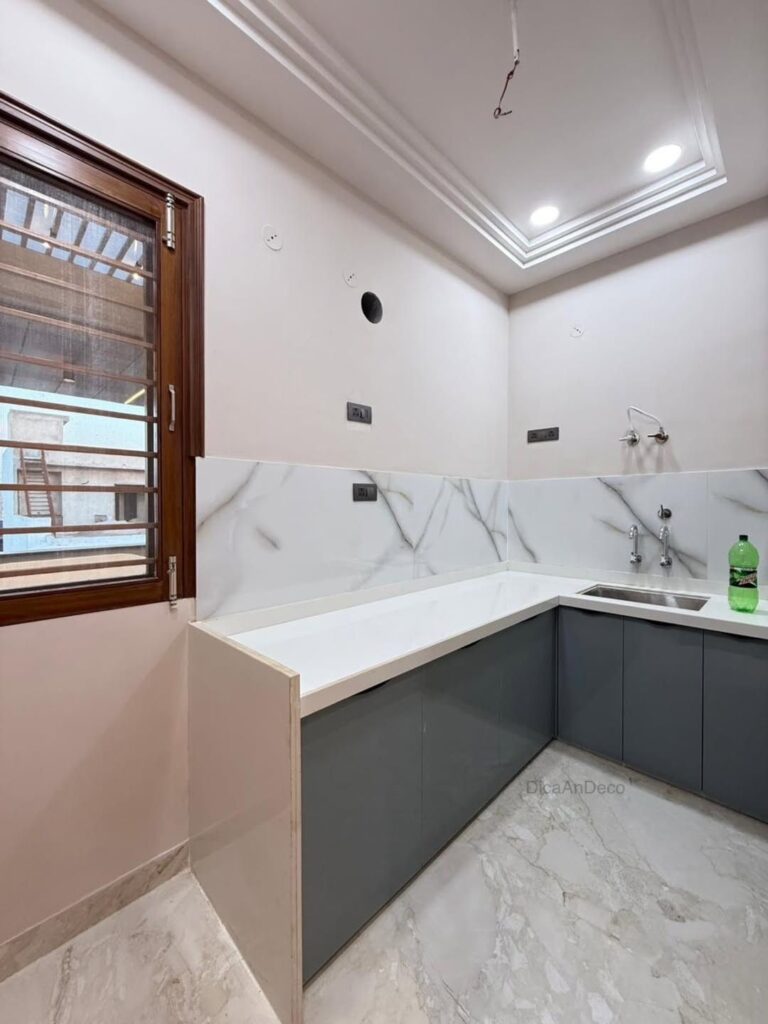
[Image: Indian kitchen with natural light and ventilation]
Designer’s Tip: How to Balance Sustainability & Style
Designer’s Tip:
“Start with one sustainable element—like bamboo cabinets or energy-efficient appliances—and build around it. Eco-friendly kitchens don’t need to look rustic; they can be sleek, modern, and luxurious with the right material combinations.”
How Eco-Friendly Kitchens Elevate Modern Indian Homes
Sustainable kitchens are not just environmentally responsible—they add real value to your home. Buyers today actively look for:
- Energy-efficient interiors
- Durable materials
- Low-maintenance finishes
An eco-friendly kitchen enhances both daily living and long-term property value, making it a smart investment in interior design.
Internal Design Inspiration to Explore
- Check out our guide on modern lighting ideas for Indian homes
- Read how modular kitchen layouts improve small apartments
- Explore smart storage solutions for modern interiors
Internal linking helps you create a cohesive, future-ready home design plan.
Conclusion: The Future of Kitchens Is Green
Eco-friendly kitchen design trends in 2025 prove that sustainability and style go hand in hand. Bamboo, reclaimed wood, recycled materials, and energy-efficient appliances are transforming Indian kitchens into healthier, smarter, and more beautiful spaces. With climate-conscious planning and expert execution, your kitchen can become the heart of a sustainable, stylish home—especially in fast-growing urban areas like Pune.
Transform your house into a home you’ll love – Schedule a free consultation with our expert interior designers today!
Leave a Reply