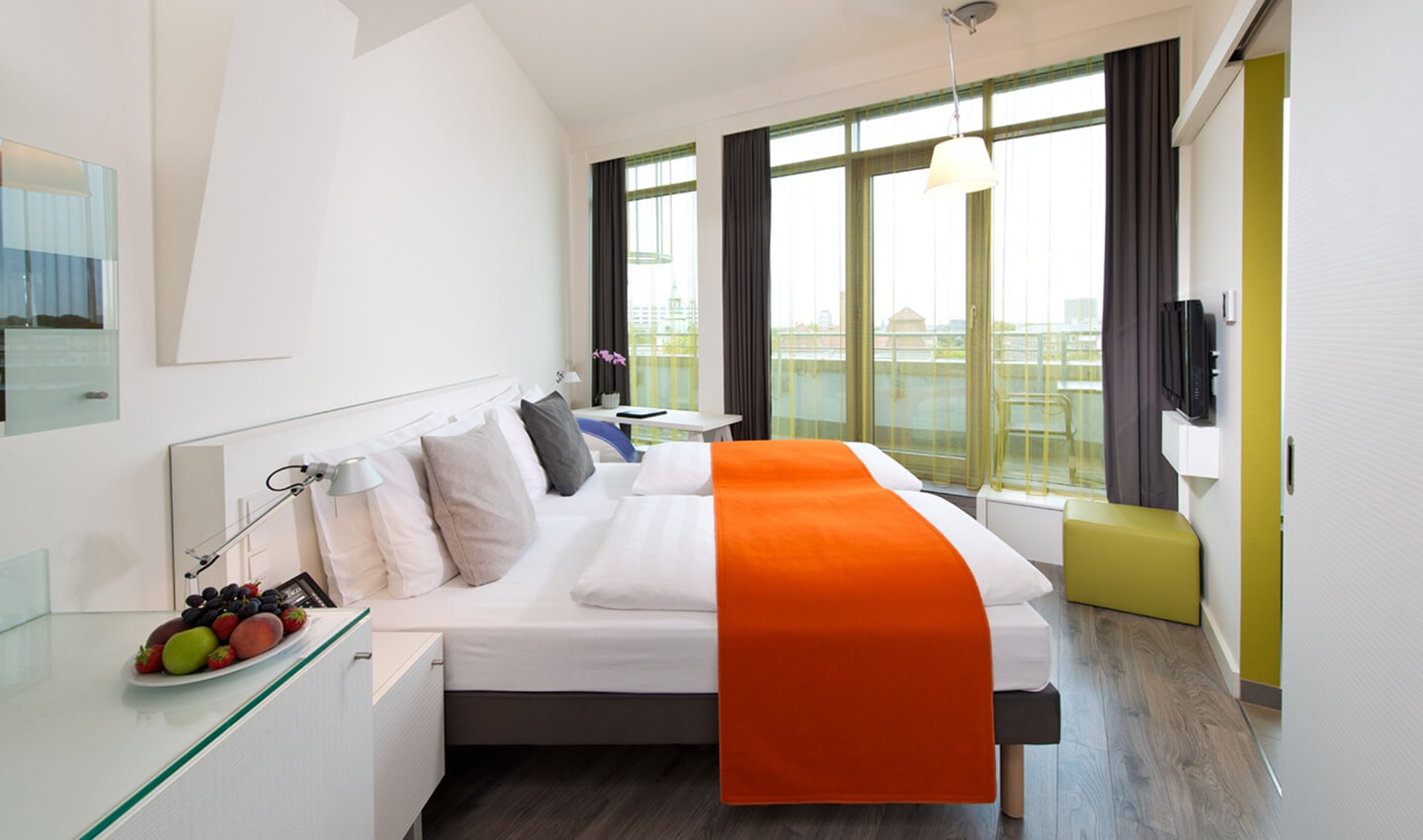

Ever walked into a room and instantly felt calmer… or strangely drained? That’s not random. Your surroundings directly affect your mood, sleep, focus, and even physical health. Today, interior design is no longer just about how a space looks — it’s about how it makes you feel. From air quality to lighting and clutter control, wellness-focused home décor is becoming a must-have for modern interiors and truly stylish homes.
Let’s explore how you can design a home that doesn’t just look good — but actually helps you live better.
🌿 What Is Wellness-Focused Interior Design?
Wellness-focused interior design blends aesthetics with physical and mental well-being. It focuses on creating spaces that reduce stress, improve air quality, boost natural light, and promote comfort.
Instead of chasing trends alone, this approach prioritizes how your home supports:
- Better sleep
- Lower stress levels
- Improved productivity
- Physical comfort
- Emotional balance
In cities like Pune, where fast-paced lifestyles can feel overwhelming, homeowners are turning toward home décor that feels calming, functional, and healthy.
☀️ 1. Natural Light: The Foundation of Healthy Living
Lighting plays a huge role in how we feel. Poor lighting can cause fatigue, headaches, and low mood. Good lighting, on the other hand, boosts energy and improves sleep cycles.
How to maximize natural light:
- Use sheer curtains instead of heavy drapes
- Place mirrors opposite windows
- Choose light-colored wall paints
- Keep windows clutter-free
Real-life example: A Pune apartment owner replaced dark curtains with sheer white panels and added a mirror near the balcony door. The result? The space felt 2× bigger and far more cheerful.
👉 Internal link idea: Check out our guide on modern lighting ideas for every room.
🌬️ 2. Clean Air = Healthier Home
Indoor air can be more polluted than outdoor air — especially in urban areas. Wellness-driven modern interiors focus on improving air quality naturally.
Add these to your stylish homes:
- Indoor plants (Snake plant, Areca palm, Peace lily)
- Proper ventilation systems
- Natural materials instead of synthetic finishes
- Low-VOC paints
Real-life example: A family with allergies introduced indoor plants and switched to low-VOC wall paint. Within weeks, they noticed fewer breathing issues.
🎨 3. Calming Color Psychology
Colors directly affect emotions. Bright red might energize, but it can also increase anxiety. Wellness-based home décor leans toward soothing shades.
Best colors for healthy living:
- Soft blues for bedrooms (better sleep)
- Earthy tones in living rooms (grounding effect)
- Greens for workspaces (reduces eye strain)
- Warm neutrals for overall balance
Using color thoughtfully helps create interior design that supports relaxation without sacrificing style.
🪑 4. Ergonomic & Comfortable Furniture
A beautiful chair that hurts your back? Not wellness-friendly. Good modern interiors combine comfort and design.
Look for:
- Proper lumbar support in seating
- Adjustable work desks
- Sofas with medium firmness
- Beds with orthopedic mattresses
Real-life example: A work-from-home professional upgraded to an ergonomic chair and adjustable desk. Back pain reduced, and productivity improved dramatically.
💡 Designer’s Tip Box
“Your bedroom should feel like a retreat, not an extension of your office. Remove work gadgets, use soft lighting, and add cozy textiles for better sleep quality.”
🌱 5. Natural Materials for a Healthier Home
Synthetic materials often release chemicals. Wellness-focused interior design uses nature-inspired elements.
Great choices:
- Wooden furniture
- Cotton or linen fabrics
- Stone accents
- Bamboo décor
These not only look elegant but also create warm, breathable stylish homes.
🧘 6. Clutter-Free Spaces Reduce Stress
Visual clutter equals mental clutter. Minimal, organized spaces are key to wellness-driven home décor.
Simple decluttering rules:
- Follow the “one in, one out” rule
- Use hidden storage solutions
- Keep surfaces clean
- Donate unused items
Real-life example: A small Pune apartment felt cramped until built-in storage units were added. The same space now feels open and peaceful.
🔇 7. Sound Control for Mental Peace
Noise is a hidden stress factor. Good modern interiors include elements that absorb sound.
Try:
- Rugs and carpets
- Fabric curtains
- Upholstered furniture
- Acoustic panels in work areas
Reducing noise improves focus and emotional comfort.
🏡 8. Create a Personal Wellness Corner
Even in compact homes, a small relaxation zone can make a huge difference.
Ideas:
- Meditation corner with floor cushions
- Reading nook near a window
- Balcony garden setup
- Yoga mat space
This gives you a dedicated area to recharge mentally.
Conclusion: Design That Cares for You
Wellness-focused interior design goes beyond trends — it’s about creating stylish homes that improve everyday living. By adding natural light, clean air, calming colors, ergonomic furniture, natural materials, and clutter-free layouts, your modern interiors can become a source of comfort and healing.
Whether you live in Pune or anywhere else, your home should support your health, not drain it. Smart home décor choices today lead to a happier, healthier life tomorrow.
Transform your house into a home you’ll love – Schedule a free consultation with our expert interior designers today!
Leave a Reply